

CASE STUDY
Virtual Tour Gallery
Designing an accessible mobile-first experience
for virtual art exploration.


Background
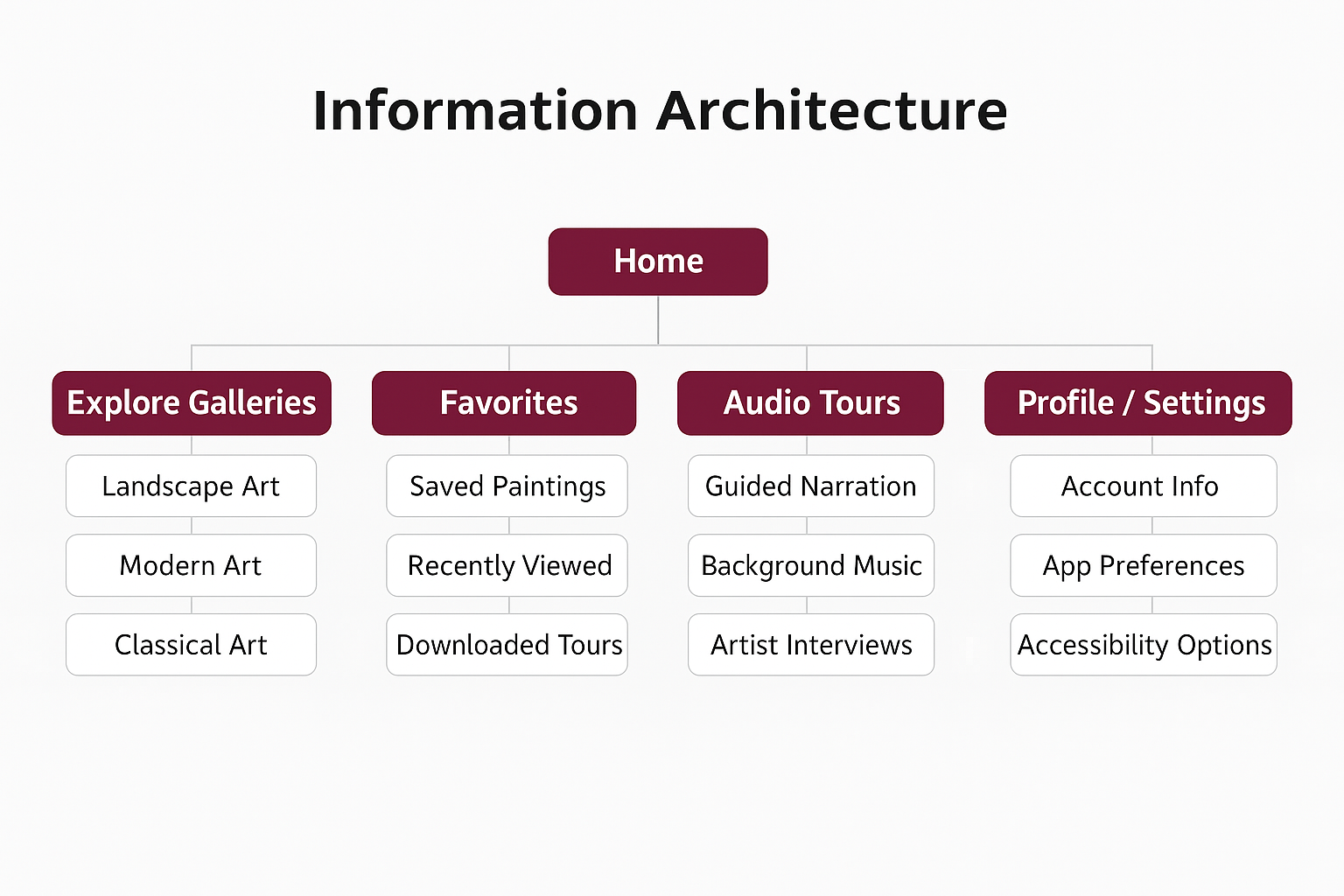
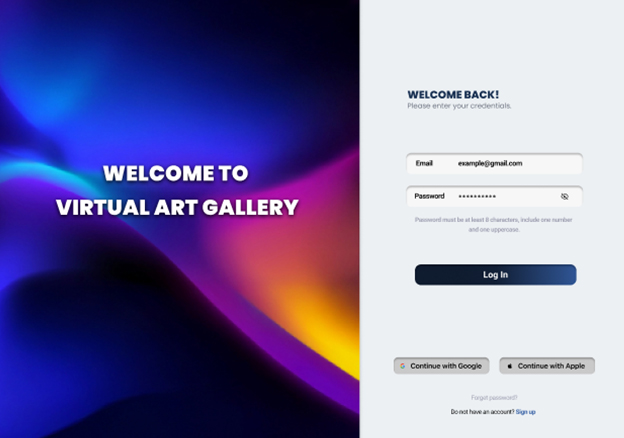
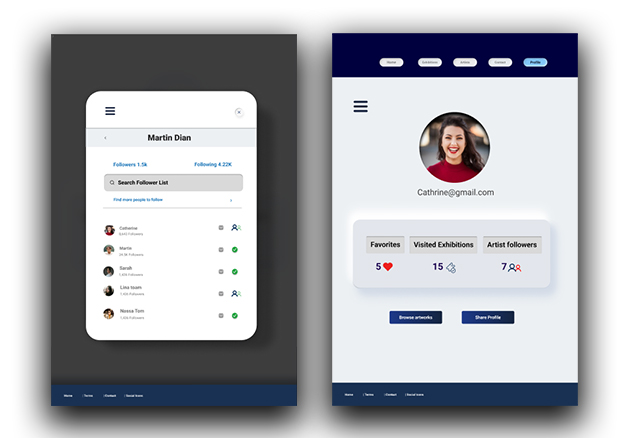
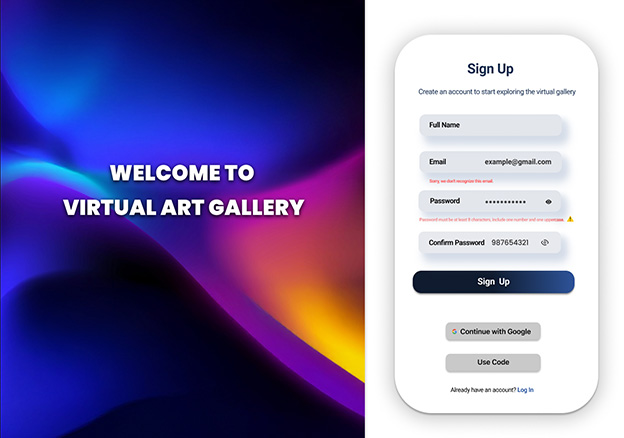
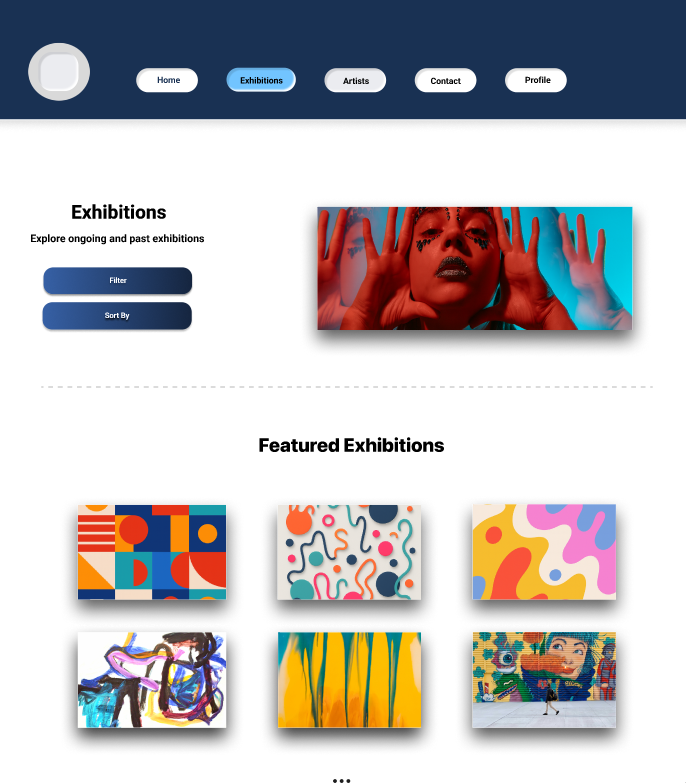
The Virtual Art Gallery App offers an immersive, accessible way to explore exhibitions remotely—browse virtual rooms, view artworks in detail, and discover the stories behind each piece through a simple, intuitive experience.
Goals
- Enable users to explore art exhibitions anytime, anywhere
- Provide a convenient alternative to visiting physical galleries
- Reduce time, travel, and cost barriers
- Create an engaging, accessible, and immersive virtual art experience
Purpose & Problem
Many art enthusiasts do not have the time, budget, or flexibility to visit galleries in person. This project was created to provide a simple and accessible way to discover and experience art remotely while maintaining an engaging and immersive experience.
Duration
Completed as part of the Google UX Design Certificate, an 8-course program focused on UX research, interaction design, visual design, and prototyping.
Role & Responsibilities
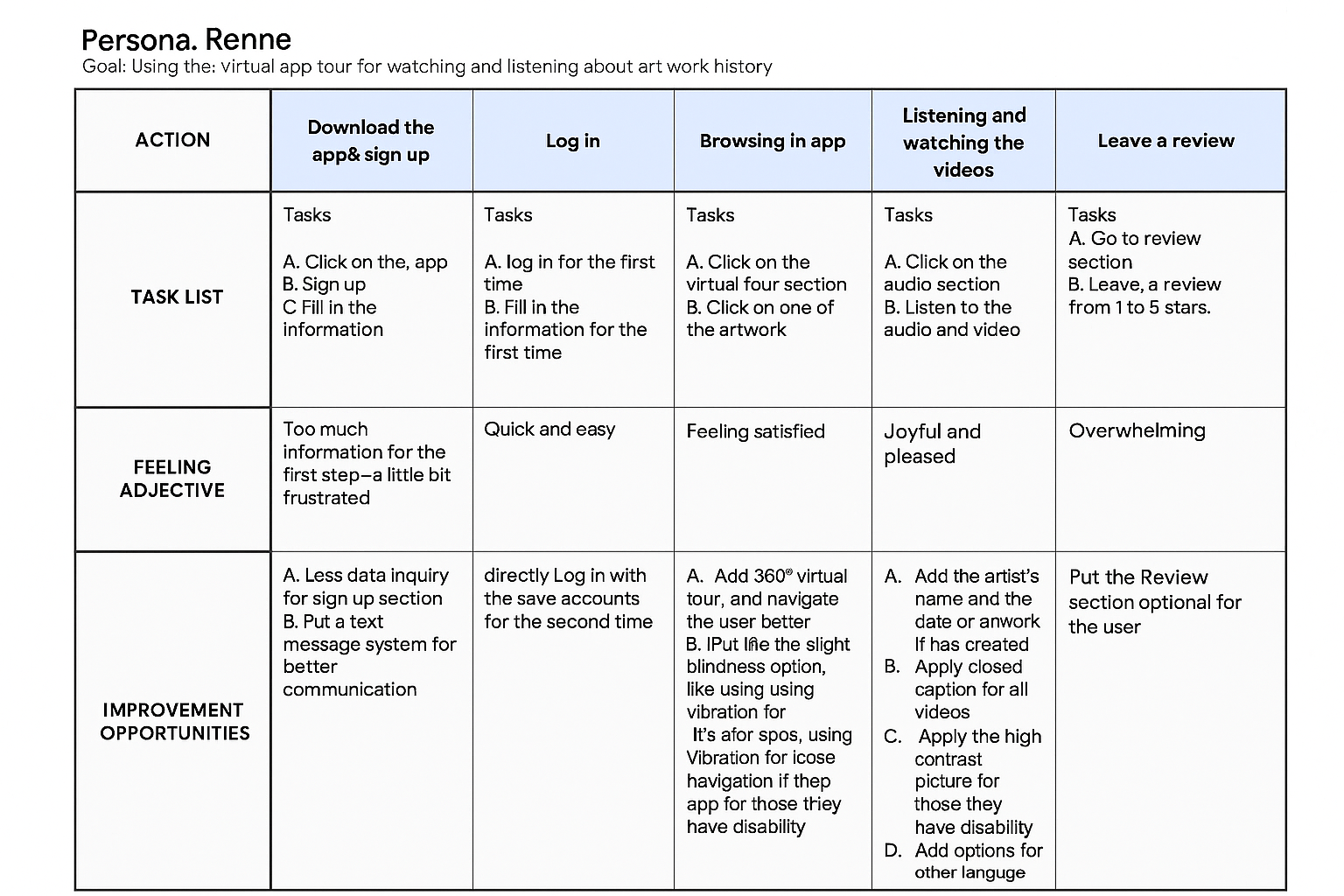
Lead UI/UX Designer, Conducted user research and usability testing, Created user flows, wireframes, and interactive prototypes. Designed the visual interface and design system. Applied accessibility and usability best practices. Iterated designs based on user feedback.
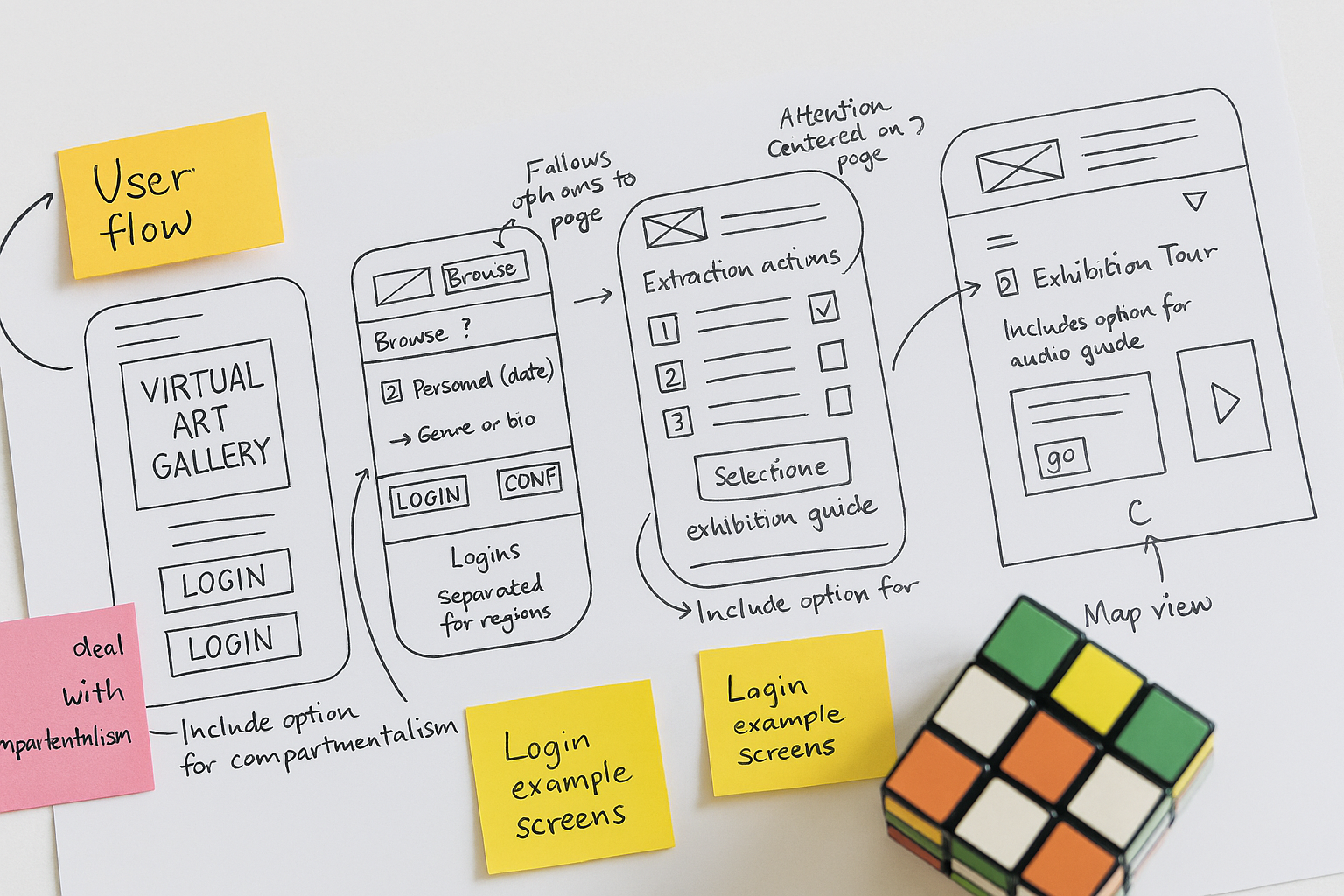
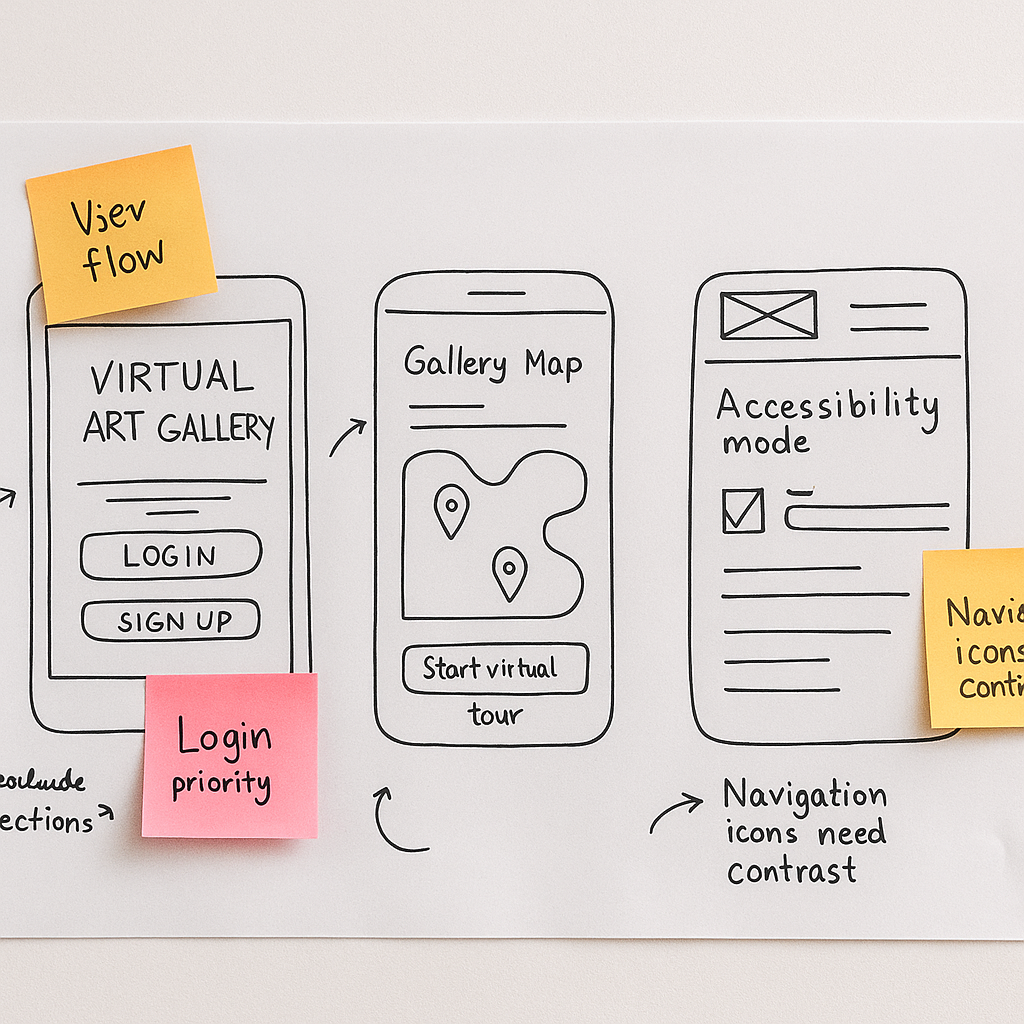
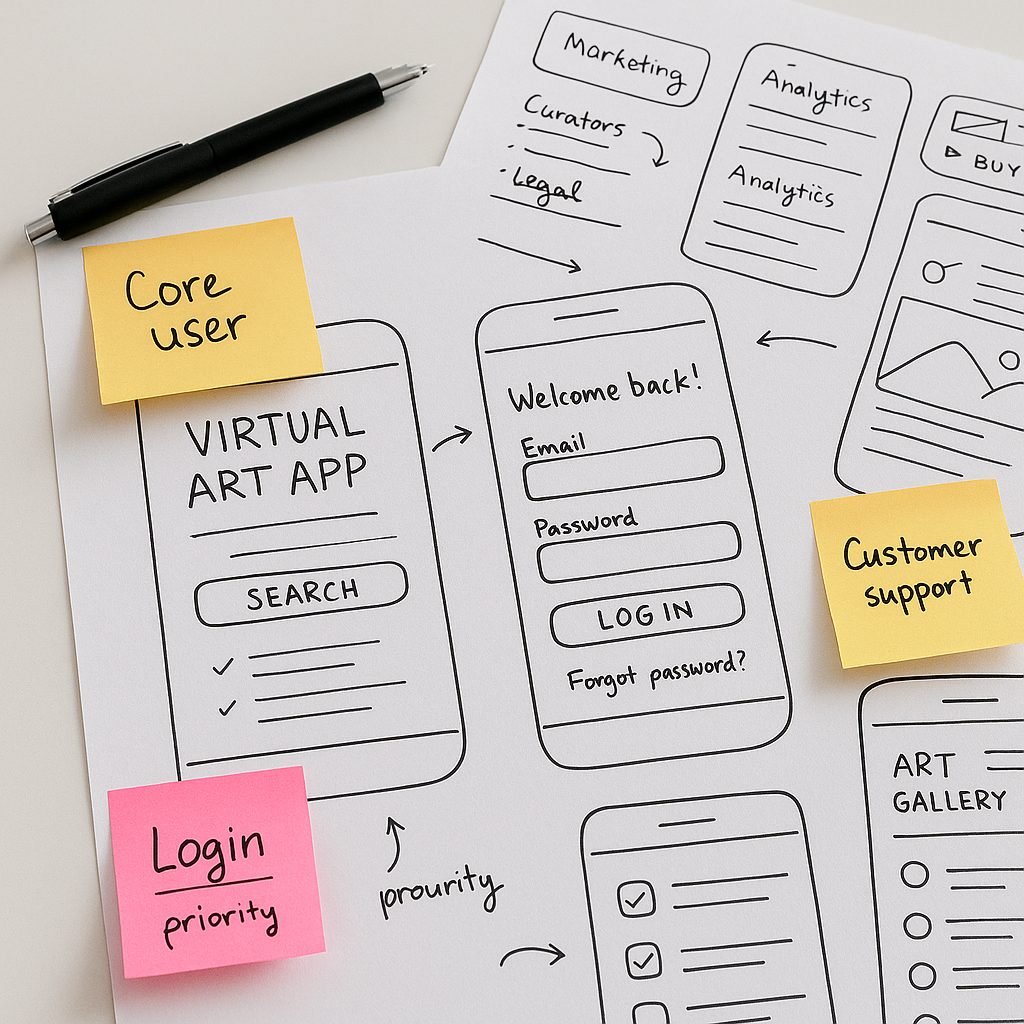
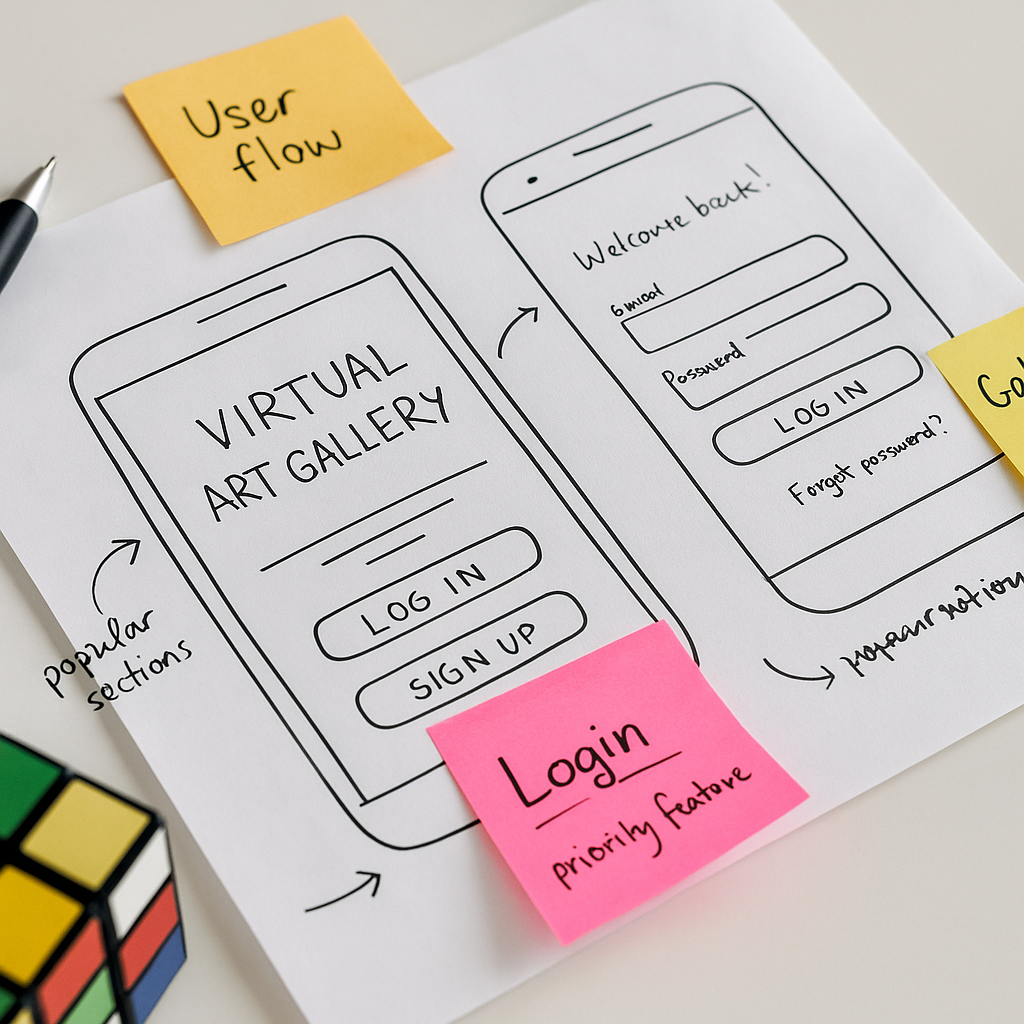
Design Thinking Sessions
Design Process
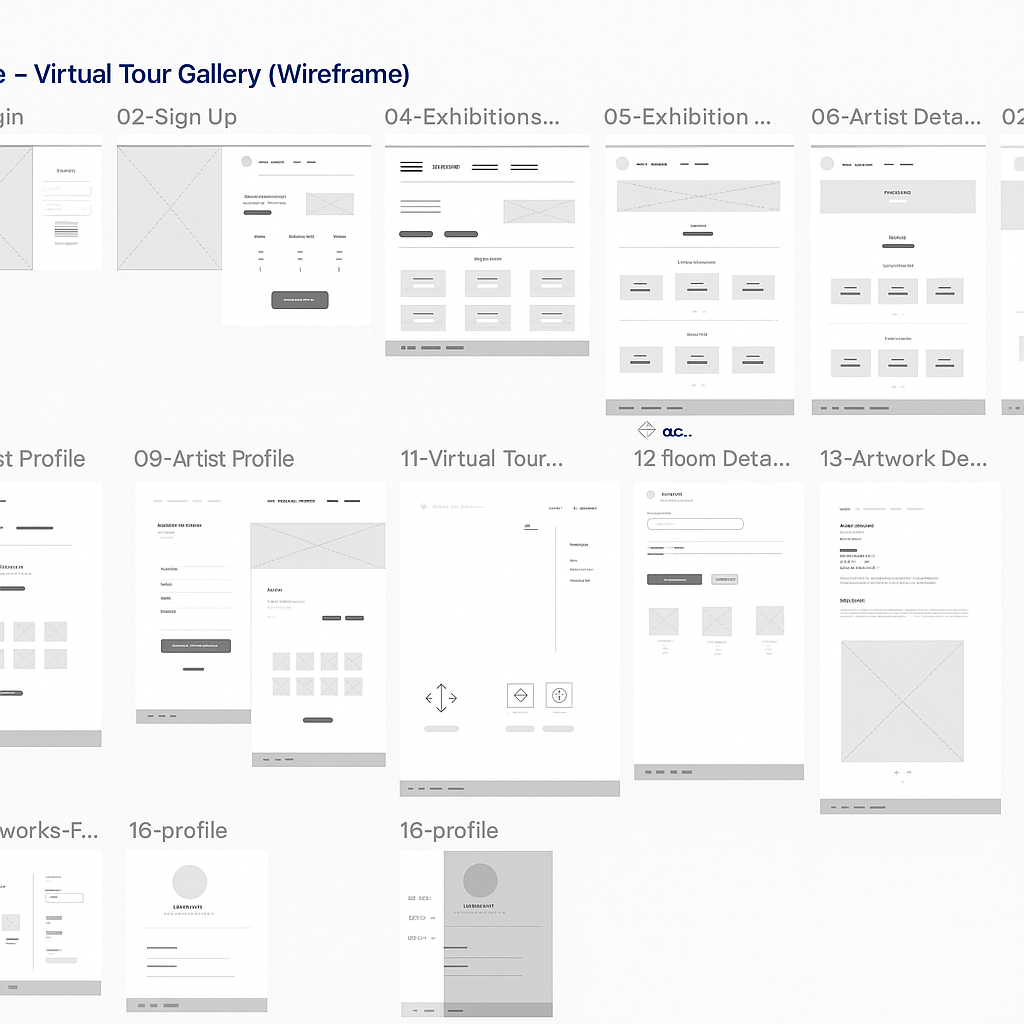
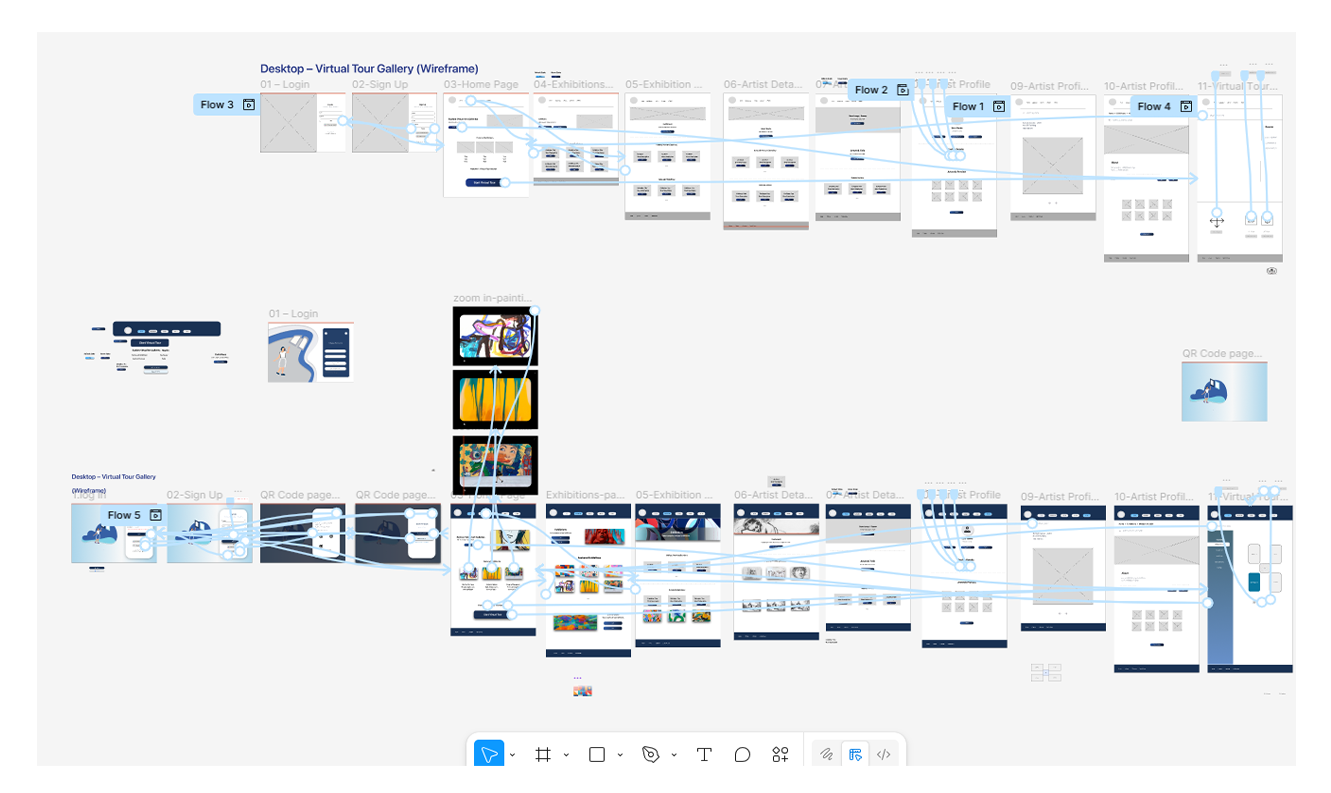
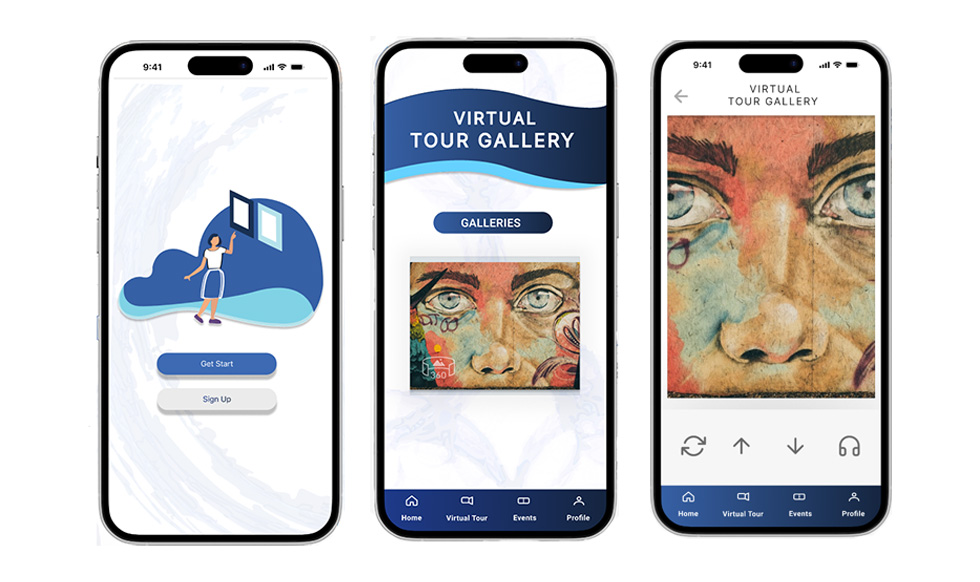
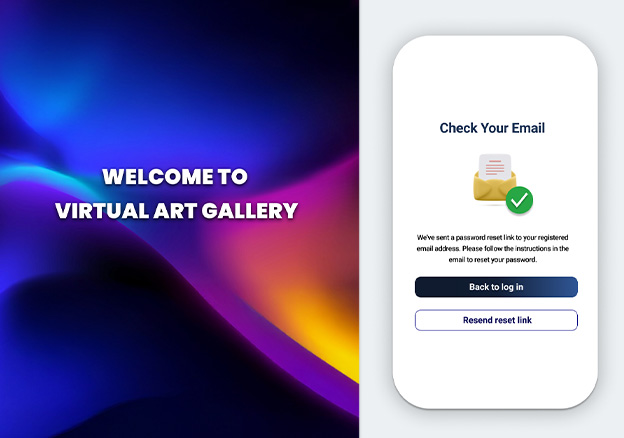
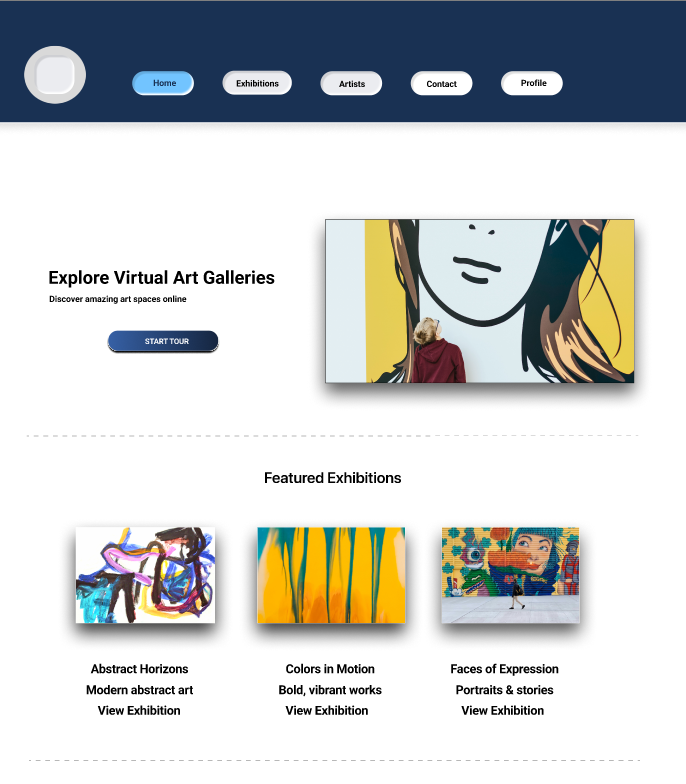

Usability Testing & Insights
-
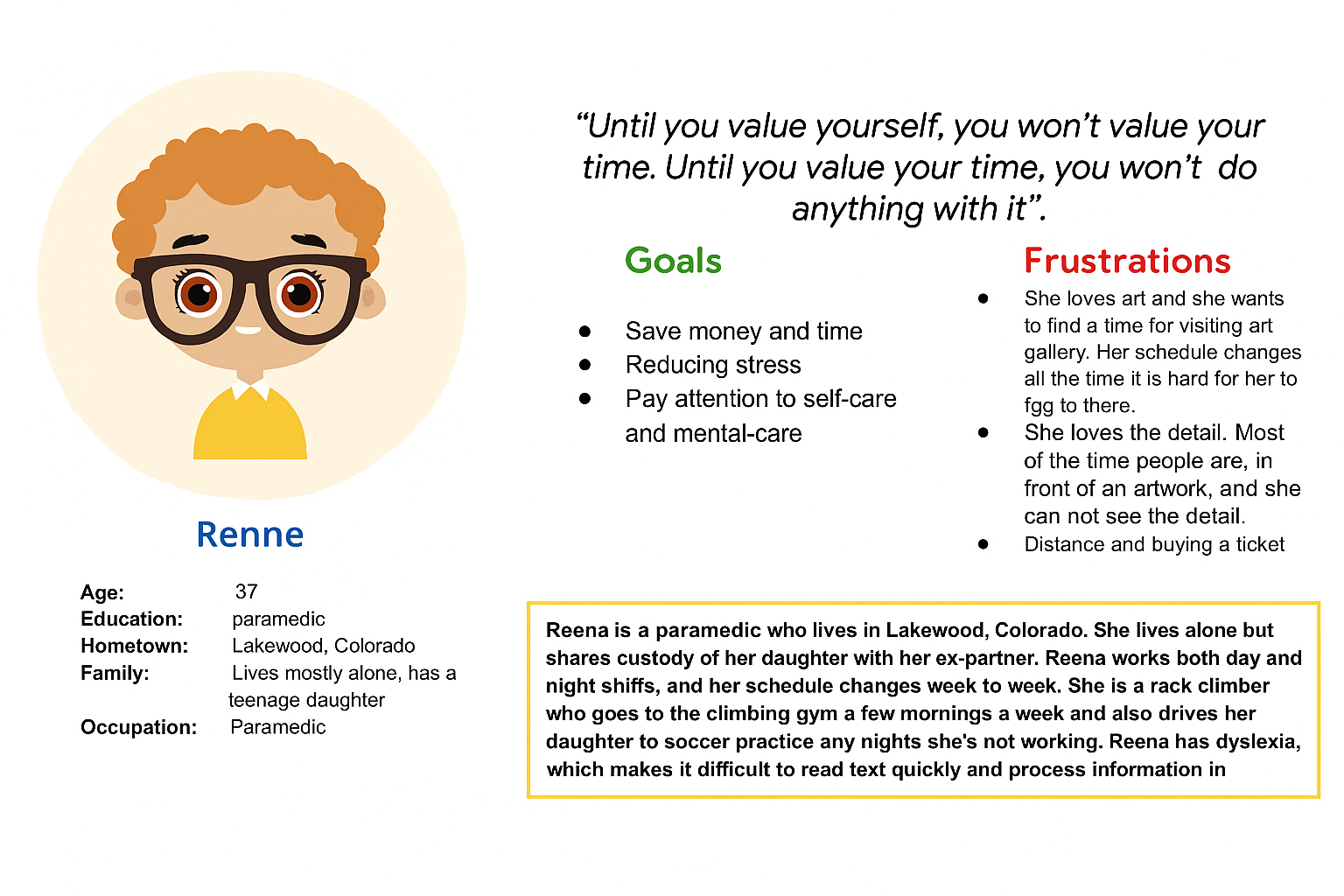
Project: Virtual Art Gallery App (Renne)
Type: Speculative project created for Google UX Design Certificate (Coursera)
Goal:
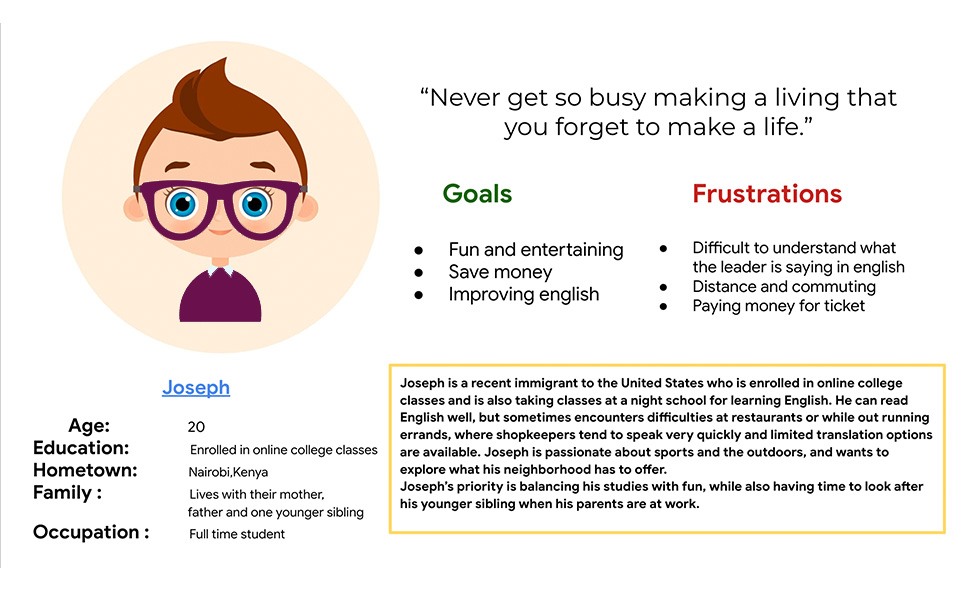
Help busy users and art lovers explore virtual art exhibitions without travel, time, or cost barriers.Target Users:
- Busy professionals
- Art lovers
- Users with limited time or mobilityMy Role:
Lead UI/UX Designer (solo project)
Responsible for research, wireframing, visual design, design system, prototyping, and usability testing.Design Principles:
1. Clarity over Complexity
2. Accessibility First
3. Calm & Distraction-Free Experience
4. Consistency & Reusability
5. Content Comes FirstDesign System Includes:
- Colors
- Typography (Roboto)
- Components
- Icons
- Illustrations
Outcome
The final design successfully addressed the needs of busy users by providing an accessible, mobile-first platform for exploring virtual art galleries. The solution improves discoverability, reduces cognitive load, and creates a seamless cultural experience regardless of location or schedule.